The question behind the FIFA World Cup
Every four years, the FIFA World Cup draws an incredible television audience, and, since the tournament expanded from 32 to 48 teams starting in 2026, more national teams than ever before. According to FIFA, the opening matches of the 2026 tournament set new broadcast records, with over 50 million viewers tuning in across the three host nations alone during the opening weekend. For one month, countries appear on screens, shirts, flags, stadiums, and timelines, visibility, in that sense, is undeniable.
But visibility is often mistaken for reputation. The more interesting question isn’t whether the world’s most-watched sporting event makes countries more visible, it clearly does, but whether that visibility changes how those countries are perceived.
Using Bloom Consulting’s proprietary Nation Brand methodology and D2 Digital Demand© data, this article explores whether global sporting events create lasting improvements in international reputation.
Creating Awareness but Not Perception
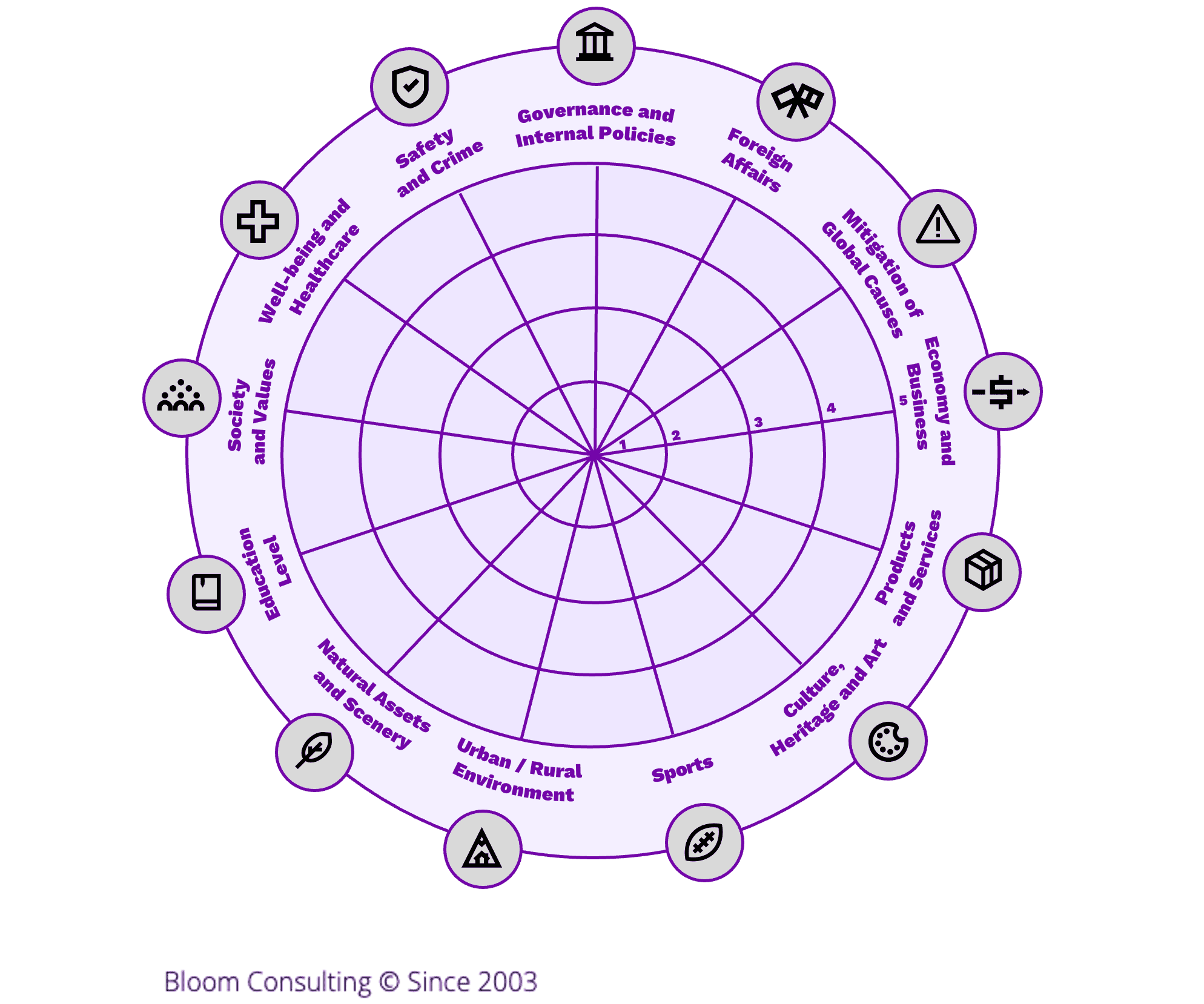
When talking about Nation Brands, one of the principal things to consider is that a country is never perceived through one single attribute. Bloom Consulting’s Nation Brand Taxonomy Model © identifies 13 Perception Elements (see Diagram 1 bellow) through which global audiences form impressions of countries. And Sports, a powerful, emotional and highly visible element, is only one in a much broader perception system, rarely changing the Nation Brand alone.
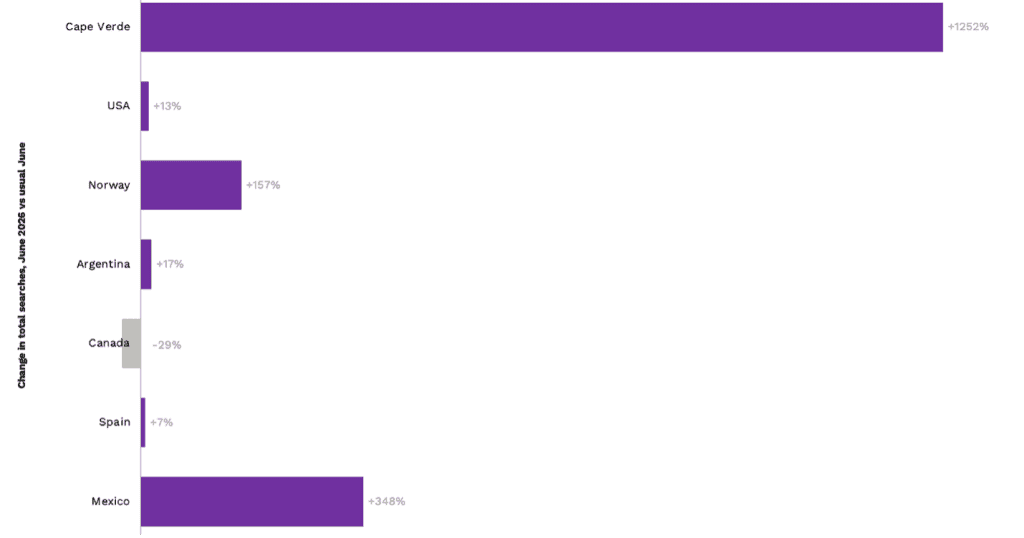
This separation is confirmed by Bloom Consulting’s D2 Digital Demand© analysis (see graph 1 below), which tracks a place’s real appeal across the five dimensions of the Bloom Consulting Nation Brand Wheel©: investment, tourism, talent, prominence, and exports. For the hosting countries (USA, Mexico and Canada) interest such as education, governance, and financial services remained flat across the tracked countries during June 2026. Without doubt, the FIFA World Cup created curiosity around sport, especially for Mexico’s team, and in some cases travel or lifestyle, but it did not automatically trigger deeper interest. Hosting the event created awareness. But it did not, on its own, create perception.
Two countries, however, built something the tournament itself never promised them: a Nation Brand, born almost by accident.
Cabo Verde: A new Nation Brand was born
Cabo Verde will unbeatably stand as one of the most memorable cases in the FIFA World Cup history. The sunny archipelago of roughly 525,000 people, having been ranked 67th in the world before the tournament, became the smallest nation by population ever to reach a men’s World Cup knockout round. Cabo Verde did something no other country managed during the tournament. In June 2026, searches for the country’s name alone increased 1252% (see graph 1), outpacing even football-related searches. People were no longer simply following a football team: they were discovering a country.
That surge happened because Cabo Verde reminded the world how far humility travels. The squad’s composition told a story on some of its own players recruited through LinkedIn outreach rather than traditional scouting networks, veterans well past the age football normally retires. And in the moments that circulated widest online, team players posing for a photo with Messi, the way any fan would, the team expressed, without ever framing it as messaging, exactly the values Cabo Verde represents.
Norway: A warm country
Norway’s return told the same kind of story through a different shape. After 28 years away from the World Cup, the team reached the quarterfinals and beat Brazil in the last 16, an unscripted run from a footballing nation that had spent a generation watching the tournament from home. Nobody built a campaign around what that run might mean for Norway’s image abroad. It simply arrived, in the way these things tend to, through an unplanned moment. On July 12th, 2026, after Norway’s elimination by England in Miami, Erling Haaland reflected on what the run meant beyond the result.
“This has been my goal for a long time, and I think after this tournament, we’ve put Norway on the map, so to speak. Now it’s about maintaining those standards. I’m incredibly proud”
Erling Haaland, interview for FIFA on July 12th 2026
Haaland was not speaking as part of a campaign or as an ambassador, he was expressing national pride at a moment when football had given Norway a global spotlight and demonstrating a little bit of who they are. The team created a new reference point for future generations of Norwegian players. Interestingly, search interest for Norway has not risen sharply in the tournament’s wake. Several factors could explain this, the most obvious being that the country was already well known, and a further spike is simply harder to produce when recognition is already high. But this is exactly where the measurement challenge becomes an opportunity. Bloom Consulting’s proprietary perception software analysis, D2 Live Quanti© is designed to detect exactly this kind of shift; a rise in favourability even where a country’s baseline recognition is already high, which search volume alone tends to miss. And while no such data exists yet for Norway specifically, comparable cases in Bloom Consulting’s experience suggest its perception is likely to rise in the near term.
These two examples show how different Nation Brands can be made. But the most significant part, neither nation ran anything resembling a coordinated campaign.
The Takeaway: Lessons for governments and Nation Brand managers
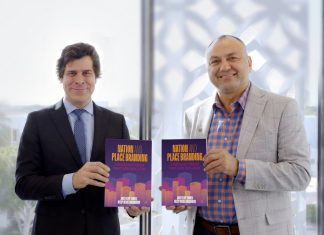
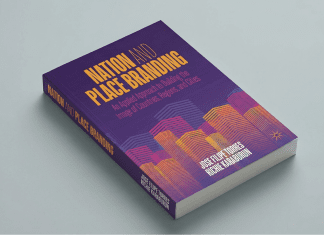
The FIFA World Cup should not be treated as a shortcut to Nation Branding. As I explain in my book that I have co-authored with Recep Richie Karaburun (Nation and Place Branding: An Applied Approach to Building the Image of Countries, Regions, and Cities), simply hosting a sport mega-event is no guarantee of a positive Nation Branding legacy. The 2026 tournament proved exactly that. Initially, the expected Nation Brand winners should have been the host countries and cities. They had stadiums, infrastructure, media attention, and the global stage. Yet the most meaningful Nation Brand stories came from somewhere two unexpected countries, which revealed something human, emotional, and true.
With Spain lifting the trophy, FIFA World Cup ends the way many expected it to. While the country reminded the world of its excellence in sports, Cabo Verde and Norway reminded that the most powerful Nation Brand moments are often born unexpectedly through humility and emotion. The situation taught an important lesson for Nation Branding, events can provide the stage, but they cannot create meaning on their own.
Published on 21.07.2026.
Cite article: Torres, J. F. (2026). The FIFA World Cup Impact on Nation Branding. Bloom Consulting Journal, 21 July. Available at: https://www.bloom-consulting.com/journal/the-fifa-world-cup-impact-on-nation-branding